Let's Talk Women
One person pushing back can improve care for those who come after | 5 min read
“Take up space, and be loud.”
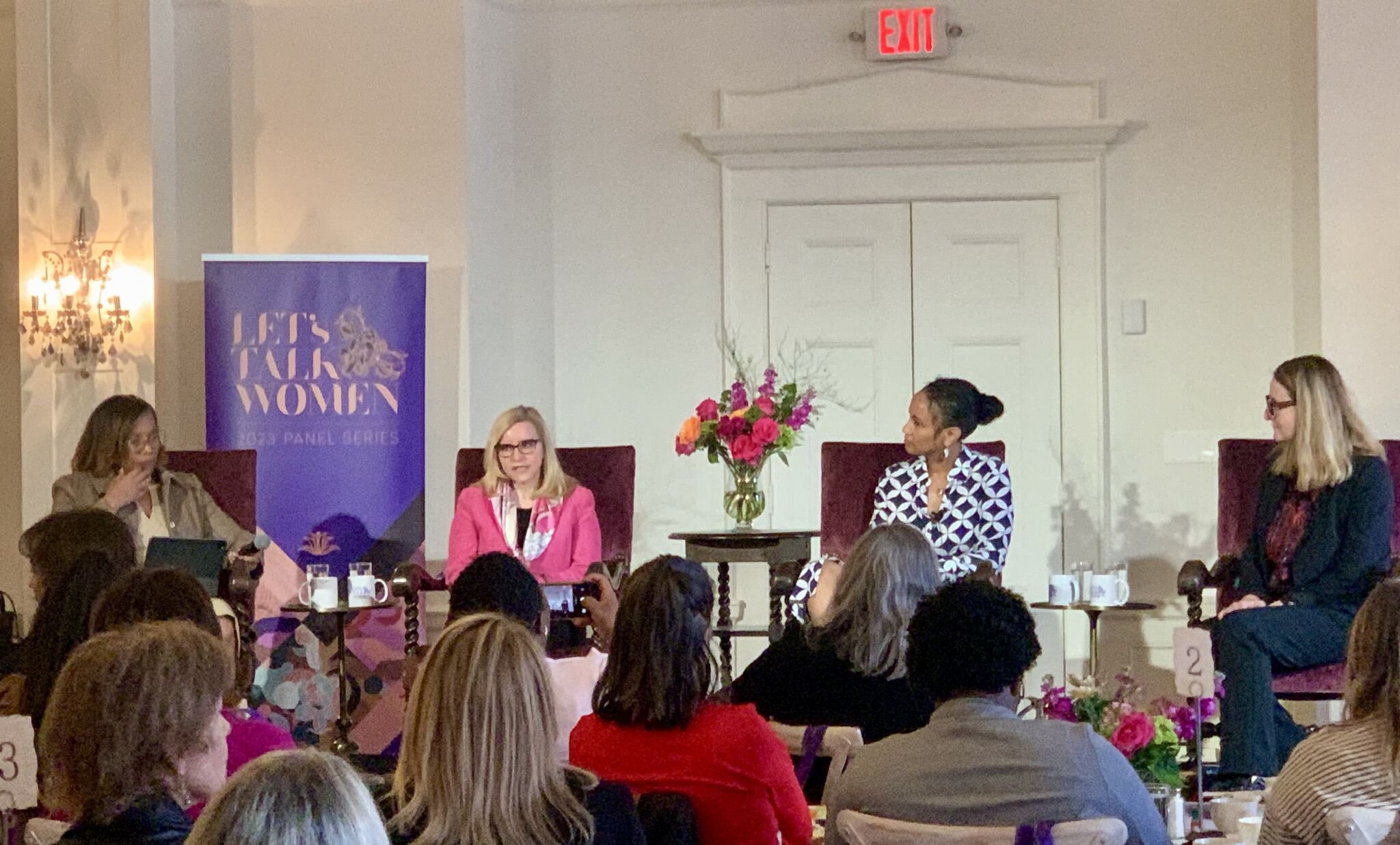
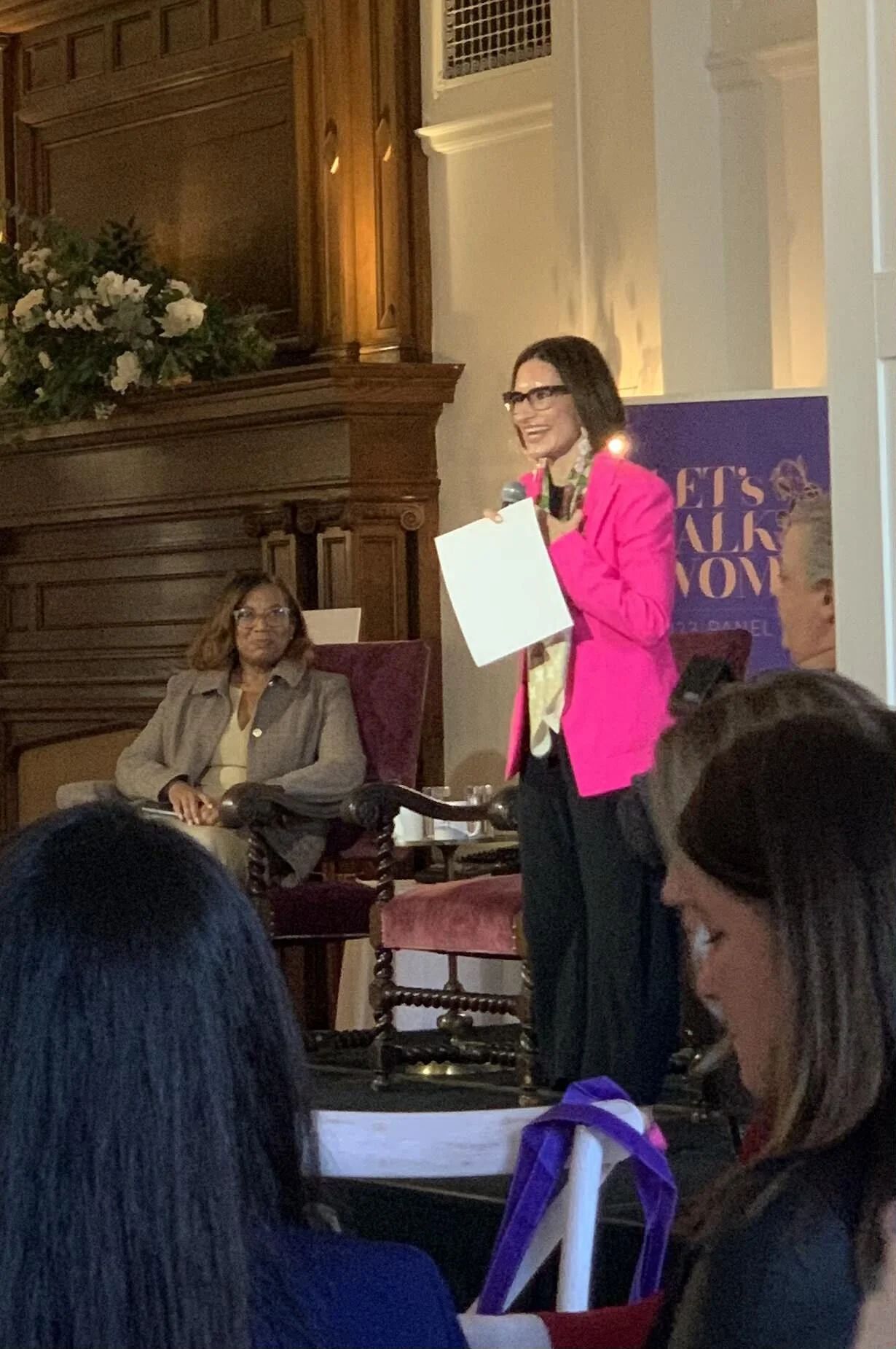
This was Lt. Governor Penny Flanagan’s call to action at Let's Talk Women in Minneapolis.
Yesterday's conversation made clear what women are up against in our healthcare system:
- Women are gaslighted or dismissed in their most vulnerable moments.
- Women’s health is segmented and minimized
- We do ‘sick care’ well, but not whole-person, preventive care
All this, despite women making 80% of healthcare decisions, shaping household spending, and interacting with the system more than men do.
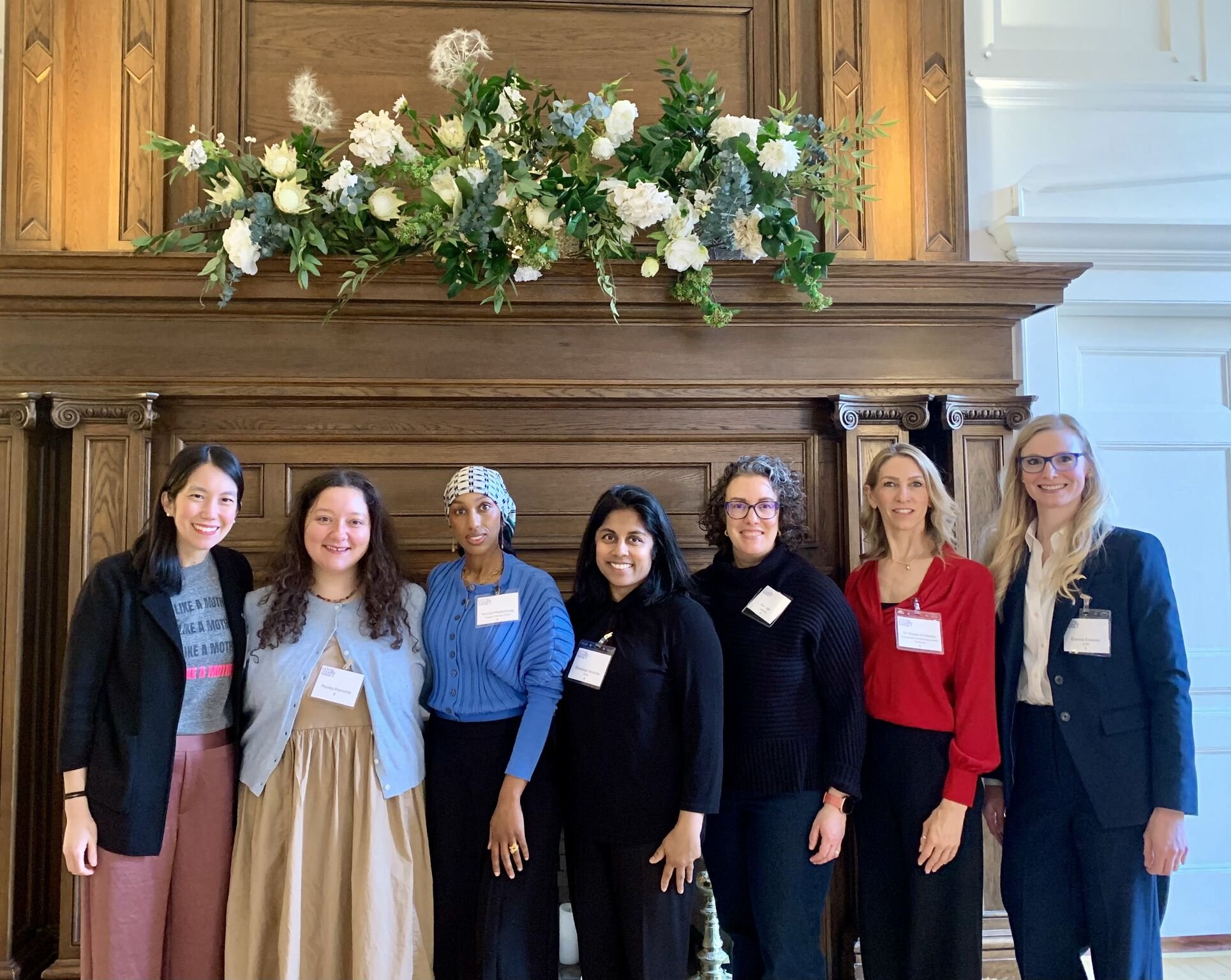
Liz Powell, Dr. Indy Lane, Marion Greene, and Chanda Smith Baker showed us what we can do:
🌟 Our personal health is political: Turn your rage-filled experience into action. Share your story, pair it with data, and hold your legislators accountable.
🌟 Start small: You don’t have to run for office. Follow advocacy groups and build your voice and courage over time.
🌟 Prep for your doctor visit: Name your top 3 concerns. If you’re not heard, find a doctor who listens.
🌟 Demand community-based care: Doulas, midwives, and community health workers can advocate for those who can’t and bridge care gaps.
🌟 Leverage technology: Care should be as easy as booking a flight.
🌟 Advocacy is a relay: Not a sprint or marathon. Take a break when you need it, so you come back with fresh legs to keep fighting.
Here’s what you can do now:
📣 Lean into communities like Women's Health Advocates and Chamber of Mothers
📣 Call your reps to support safety-net systems like Hennepin Healthcare
📣 Stay connected through Lets Talk Women
One person pushing back can improve care for those who come after.
My daughter is the fuel for my advocacy, and I want her to grow up seeing that speaking up for yourself is normal.
Thanks to Katie Severt for creating this space to connect with so many changemakers pushing this work forward every day.
As Dr. Lane said: “We have to show how valuable women are to the health system. Advocate for what matters most–because feeling well is a right at every life stage.”